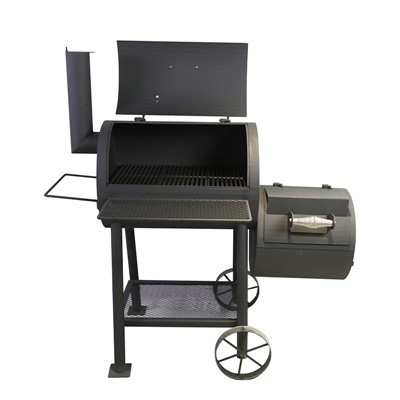
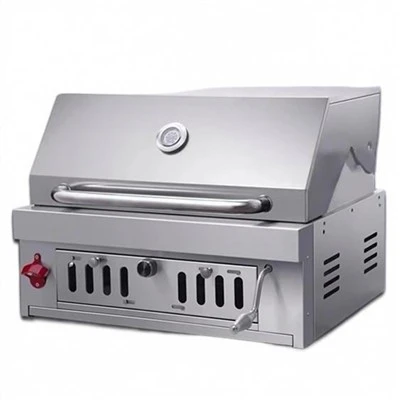
Even as gas‑powered grills, electric smokers and high‑tech smart cooking gear have grown commonplace, charcoal grills are still the go‑to pick for seasoned pitmasters, competition barbecue cooks, and home grill enthusiasts with high standards across the globe. Modern grill systems are built for fast setup and steady, predictable results, yet charcoal cooking brings something no substitute can match: layered, deep‑set smoky flavours, highly adaptable radiant heat output, plus that genuine, time‑honoured barbecue heritage at the heart of premium outdoor grilling.
It is not just a matter of personal taste, either. Charcoal grills offer tangible strengths from a technical, chemical and mechanical standpoint. These practical benefits keep them indispensable for commercial barbecue operations as well as upscale home outdoor kitchens. This piece breaks down niche industry insights, the real‑world science behind charcoal cooking, how different fuel types stack up against one another, real‑world professional use‑cases, and hands‑on performance perks. It explores why charcoal grilling still outshines other cooking options, even after decades of advancements in outdoor cooking technology.

The Scientific Edge: Where Charcoal Combustion Creates One‑of‑a‑Kind Flavor
What keeps professional barbecue establishments and seasoned grill experts coming back to comes down to one thing: one‑of‑a‑kind chemical reactions that build flavour, something gas and electric grills simply cannot fully replicate. Most casual home users chalk charcoal's great‑tasting results up to nothing more than smoke. But real‑world culinary science from the industry shows there is far more going on. Charcoal firing amplifies the Maillard reaction and releases a complex mix of aromatic compounds you only get from burning charcoal.
More Powerful Maillard Reaction for a Perfect Meat Crust
The Maillard reaction - the chemical process between amino acids and reducing sugars that gives grilled meat its savoury crust and rich depth of flavour - heavily depends on heat. Independent professional tests show well‑built charcoal grills can hit grate temperatures of 800‑900°F (425‑485°C). Even top‑tier commercial gas grills max out around 500‑600°F (260‑315°C). That 300‑°F gap is not just about faster cooking. It is the heat threshold needed to trigger full Maillard browning across meat surfaces.
Charcoal's powerful radiant heat caramelises meat proteins and sugars in mere seconds. You get a thick, crisp, flavour‑packed outer crust while locking juices inside the meat. Gas grills, limited by weaker convective heat, often cannot build that full crust before the inside of the meat overcooks. The end result is flat, even‑cooked meat with little flavour layering.
Distinct Smoke Aromatics From Hardwood Burn
Gas burns clean and leaves barely any organic by‑products. Natural hardwood charcoal, by contrast, releases a rich mix of phenols, guaiacol and wood‑based aromatic esters as it burns. These tiny compounds sink into meat's porous surface, creating that signature smoke ring and genuine deep barbecue flavour.
Industry flavour testing confirms guaiacol from pure lump hardwood charcoal delivers a gentle, bacon‑like smoky sweetness. Traces of phenolic compounds add long‑lasting flavour that sticks right into meat fibres. You can fit smoker boxes onto gas grills to make smoke, yet burning wood chips this way only produces one‑note smoke. It never matches the balanced, multi‑layered aroma of real hardwood charcoal. For premium cuts such as beef brisket, spare ribs and pulled pork, this flavour gap directly impacts product quality and selling prices for commercial caterers.
Fuel Breakdown: Lump Charcoal versus Briquettes - Professional‑Grade Performance Differences
Many everyday grill users overlook a key industry point: the two main charcoal fuel types perform very differently, and each fits specific professional barbecue use cases. Knowing how lump charcoal and charcoal briquettes differ in makeup and behaviour helps you get the most and steer clear of common amateur cooking mistakes.
Premium Lump Hardwood Charcoal: The Go‑To for Competition Pitmasters
Lump charcoal is 100% natural hardwood carbonised at high heat, with zero added binders, fillers or chemicals. It is the fuel of choice for barbecue contests and high‑end barbecue restaurants. Its real‑world strengths boil down to three key metrics: massive heat output, clean‑burning flavour, and fast temperature response.
Quality lump charcoal comes from hardwood varieties including oak, hickory and mesquite, featuring low moisture and high carbon content. It lights quickly, reaches peak heat within 15 minutes, and burns with very little ash and no odd off‑flavours. For high‑heat searing of steaks, seafood and thin cuts of meat, lump charcoal's strong radiant heat delivers sharp surface browning while keeping the inside tender. Its uneven chunk sizes also create irregular air gaps inside the grill. This generates multi‑directional heat flow and even heating, cutting down on cold spots that frequently trouble gas grills.
Compressed Charcoal Briquettes: Reliable Heat for Long, Slow Cooks
Charcoal briquettes are factory‑pressed fuel made of charcoal powder, starch binders and combustion additives. They feature uniform sizing, steady burn and extended heat retention. While they cannot match lump charcoal for pure flavour, briquettes shine for low‑and‑slow barbecue.
Their consistent density sustains steady heat for 4‑6 hours, holding temperatures between 225‑275°F, perfect for slow‑roasting brisket, ribs and large meat joints. Many commercial barbecue catering operations choose briquettes for high‑volume production thanks to their predictable burn cycle and lower per‑unit cost. Experienced professional grillers often mix both fuels: lump charcoal for high‑heat searing work, and briquettes for long‑term low‑temperature smoking. This approach unlocks the full performance potential of charcoal across different cooking tasks
Mechanical and Thermal Advantages: Radiant Heat Dominance Over Convective Heat
From professional thermal engineering perspective, the fundamental advantage of charcoal grilling lies in its dominant radiant heat transfer mode, while gas grills rely mainly on convective heat transfer. This structural difference is the core technical reason why charcoal grilling achieves better texture and flavor, a key industry principle guiding professional grill equipment design and cooking technique formulation.
Radiant Heat: Deep Penetration and Uniform Heat Distribution
Burning charcoal generates massive infrared radiant heat, which penetrates meat surfaces rapidly and heats food from the inside out, rather than merely warming the surface like convective heat. This deep heating mode shortens cooking time, reduces moisture loss, and forms a tighter meat fiber structure, making grilled meat tender and juicy with a chewy texture. Meanwhile, the radiant heat covers every corner of the grill cavity evenly, avoiding the local overheating or undercooking problems of gas grills caused by concentrated burner heat. For irregularly shaped ingredients such as whole chicken, fish, and thick-cut beef chunks, charcoal radiant heat achieves all-round uniform cooking, ensuring consistent doneness of skin, fat, and muscle layers.
Adjustable Temperature Flexibility for Full-Scenario Cooking
Professional charcoal grills realize precise temperature adjustment through vent control and fuel quantity matching, covering the full temperature range from low-temperature smoking (200°F) to ultra-high-temperature searing (900°F). By adjusting the upper and lower damper opening degrees, grillers can accurately control oxygen intake to switch fuel combustion states: closed dampers create an oxygen-deficient low-temperature smoldering state for smoky flavor accumulation, while fully open dampers support vigorous combustion for extreme high-temperature searing. This wide temperature coverage is unmatched by single-mode gas grills. In the commercial barbecue industry, this flexibility allows a single charcoal grill to complete all processes from ingredient smoking, slow roasting, to high-temperature searing, greatly improving equipment utilization rate and reducing catering operation costs.
Industrial and Commercial Value: Why Professional Barbecue Operators Still Choose Charcoal
Flavour and cooking performance are not the only reasons charcoal grills hold their ground. They deliver unmatched commercial value across the catering and outdoor cooking sectors. Leading barbecue brands, competition pitmaster teams, and upscale outdoor catering providers all build their core workflows around charcoal cooking, using it to stand out from competitors in a crowded market.
Product Differentiation and Premium Brand Positioning
Today's barbecue catering space suffers from heavy homogenization. Food cooked on gas grills tends to taste consistent and standardized, with little to help a brand stand out. Charcoal-cooked barbecue, by contrast, brings distinctive layered smoke flavour and crisp crust texture. This clear taste difference supports premium price points. Catering industry data shows charcoal barbecue commands a 30%–50% price premium over gas-cooked alternatives. It also drives better repeat visits and stronger brand recall. For high-end barbecue restaurants, charcoal cooking is far more than just a cooking technique. It acts as a core selling point and a symbol of authentic culinary heritage, helping businesses capture the premium market segment.
Superior Equipment and Scenario Flexibility
Professional charcoal grill setups - including kettle grills, kamado cookers and offset smokers - adapt exceptionally well to different use cases. They work for outdoor catering events, roadshow barbecues, contest cook-offs, and private backyard gatherings. Gas grills depend on propane tanks or fixed gas lines, while electric grills need a power source. Charcoal fuel is fully portable and does not require external energy supplies, making it resilient in variable environments. For large outdoor catering events and mobile barbecue operations, charcoal remains the industry's preferred option thanks to easy setup and reliable performance. On top of that, versatile charcoal grills handle searing, smoking, roasting and baking all in one unit. This single piece of equipment meets the diverse menu production demands of commercial catering kitchens.

Common Industry Misconceptions and Professional Corrective Guidance
Many consumers reject charcoal grilling due to misunderstandings about operation difficulty, efficiency, and safety. Combining industry professional experience, we correct several typical cognitive biases and clarify the practical advantages of standardized charcoal grilling operations.
Correcting the "Low Efficiency and Troublesome Operation" Misconception
Many home grillers hold the mistaken idea that charcoal grilling takes too much time and is hard to manage. In reality, professional, streamlined workflows can drastically boost efficiency. Pitmasters rely on chimney starters to light charcoal in just 10–15 minutes, and once lit, they can hold steady temperatures for non-stop cooking.
It does take a little longer to preheat compared with gas grills. Still, charcoal setups excel at cooking large batches at once and maintaining multiple heat zones side by side. That makes them more efficient overall for commercial work. For home users, anyone familiar with the routine can go from lighting the charcoal to starting to grill in under 20 minutes. The remarkable flavour payoff easily makes up for that brief preheat wait.
Correcting the "Unsafe and Unhygienic" Misconception
Certified, industry-grade charcoal is produced via high-temperature carbonization. When it burns, it leaves behind no harmful chemical residues. Quality lump hardwood charcoal achieves complete combustion, releasing clean smoke without leaching toxic compounds.
The claim that charcoal grilling creates carcinogens is an oversimplified myth. Harmful substances mainly come from badly charred meat scraps and improper high-heat frying - not the charcoal itself. With proper temperature control and regular grill cleaning, charcoal cooking can be safer and healthier than gas grills operated without consistent care.