

As consumers and commercial operators continue to seek safer, cleaner, and more convenient grilling solutions, electric grills are becoming an important category within the outdoor cooking equipment industry. Compared with traditional charcoal and gas grills, electric grills provide a flame-free cooking experience while maintaining the ability to prepare popular barbecue foods, including burgers, sausages, chicken, seafood, and vegetables.
The growing demand for electric grills is driven by several factors, including increased interest in compact outdoor cooking equipment, restrictions on open-flame grilling in residential areas, and the need for easier operation and maintenance. Electric-powered designs allow users to enjoy grilled foods without the preparation challenges associated with charcoal ignition or propane fuel management.
For manufacturers and suppliers, electric grills represent a developing market segment that combines heating technology, product design innovation, and consumer-focused features. From compact tabletop models to larger outdoor units, electric grills are expanding into different applications and customer groups worldwide.
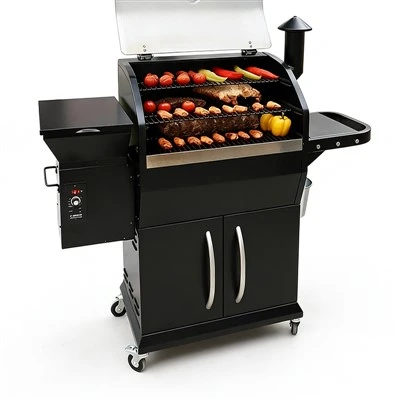
How Electric Grill Heating Technology Works
Electric grills use electrical heating elements to generate the heat required for cooking. These components convert electrical energy into thermal energy, allowing the cooking surface to reach and maintain the required temperature. Similar to the heating coils found in other electrical appliances, the elements become hot and transfer heat directly to the grill plate or cooking area.
Depending on the product design, heating elements may be exposed or integrated beneath the cooking surface. Hidden heating systems are often used to improve safety, simplify cleaning, and create a more streamlined product appearance.
One of the key advantages of electric heating technology is temperature stability. Unlike charcoal or gas grills, where heat levels can fluctuate due to fuel conditions or flame adjustments, electric grills can provide more consistent temperature control through built-in adjustment systems.
Some advanced electric grill models also incorporate smoke-enhancing technologies to address one of the traditional limitations of electric cooking. These systems are designed to introduce additional smoky flavor while maintaining the convenience and efficiency of electric power.
Key Features And Advantages Of Electric Grills
Electric grills offer several product advantages that make them attractive for residential, commercial, and specialized cooking applications.
• Flame-free operation provides improved safety compared with traditional open-flame grills. Reduced risks of flare-ups caused by dripping grease make electric grills suitable for locations where gas or charcoal grilling may be restricted.
• Precise temperature management allows users to control cooking conditions more effectively. This feature supports consistent results across different types of food and helps reduce issues caused by excessive or insufficient heat.
• Faster preparation improves overall cooking efficiency. Electric grills require minimal setup because users do not need to prepare charcoal or install fuel sources before operation.
• Simplified maintenance makes electric grills easier to clean and manage. Without ash buildup or charcoal residue, many models require less post-cooking maintenance, especially when equipped with removable cooking plates and drip trays.
• Compact product designs create opportunities for smaller living spaces, including apartments, balconies, and limited outdoor areas. Portable electric grills are increasingly popular among users who need flexible cooking solutions.
Electric Grill Product Categories And Applications
The electric grill market includes various product types designed for different user requirements and environments.
• Compact electric grills are designed for small spaces and portable applications. These models typically feature lightweight structures and smaller cooking surfaces, making them suitable for apartments, balconies, and occasional outdoor use.
• Freestanding electric grills provide larger cooking areas and a more traditional grilling experience. These models are often selected by families and users who require higher cooking capacity.
• Electric grills with smoker functions combine electric heating with flavor-enhancing technology. Integrated smoke boxes or wood pellet systems allow manufacturers to offer products that deliver a closer experience to traditional barbecue cooking.
• High-temperature electric grills focus on performance applications where stronger heat output is required. These models are designed for users seeking improved searing capability, particularly for steak and other premium grilled foods.
From a manufacturing perspective, product differentiation often depends on heating performance, cooking capacity, material selection, portability, safety features, and additional smart functions.
Manufacturing Considerations For Electric Grill Development
For manufacturers entering the electric grill market, product design requires careful consideration of heating efficiency, safety standards, and user experience.
Heating system design is one of the most important factors affecting product performance. Efficient heating elements can improve cooking speed, temperature stability, and energy utilization while maintaining product reliability.
Material selection also plays a major role in product quality. Durable cooking surfaces, heat-resistant components, and easy-clean structures help improve product lifespan and user satisfaction.
Safety features are another important consideration for global markets. Manufacturers need to focus on insulation design, temperature control systems, electrical protection, and overall product reliability to meet different regional requirements.
Market demand is also encouraging manufacturers to develop more versatile products. Features such as removable components, portable designs, improved smoke functions, and digital temperature controls are becoming increasingly important in product development strategies.
Future Development Trends In The Electric Grill Market
Electric grills are expected to continue expanding as outdoor cooking preferences evolve toward convenience, safety, and energy efficiency. Improvements in heating technology and product design are creating new opportunities for manufacturers and suppliers in global markets.
Future electric grill development is likely to focus on enhanced temperature accuracy, smarter control systems, improved flavor technologies, and more flexible product designs. As consumers and businesses continue to value efficient cooking solutions, electric grills will remain an important category within the outdoor cooking equipment industry.


