Outdoor heaters help extend the use of patios, gardens, outdoor dining areas, and covered leisure spaces during cooler weather. For distributors, wholesalers, retailers, and outdoor living brands, choosing the right product requires more than comparing appearance or heating output. Fuel type, installation structure, heat distribution, safety features, and customization options all influence product suitability.
At Blue Carp, we understand that different markets and applications require different outdoor heating solutions. In this guide, we explain the main types of outdoor heaters, how their heating systems work, which specifications buyers should evaluate, and how our bulk manufacturing and OEM/ODM services can support your product sourcing requirements.

How to Choose the Right Outdoor Heater
Selecting an outdoor heater starts with understanding the environment where it will operate. Residential patios, restaurant terraces, hotel gardens, and commercial outdoor seating areas have different requirements for heating coverage, installation, and fuel supply.
Heating Area and Heat Output
The first step is to measure the actual area where people will sit or gather. Heating an entire garden is usually unnecessary when the primary requirement is to warm a dining table or a designated seating zone.
Gas patio heaters commonly express heat output in British thermal units per hour (BTU/h), while electric heaters typically use watts or kilowatts. These measurements describe different energy quantities and should not be compared without understanding the heating system.
A preliminary estimate sometimes used for patio heating is approximately 20 BTU/h per square foot. For example, a 300-square-foot area would produce an initial estimate of 6,000 BTU/h. However, this is only a rough screening calculation, not a universal sizing standard. Buyers should confirm the manufacturer's coverage specifications, environmental assumptions, installation height, and actual operating conditions.
Wind Exposure and Coverage
Wind can carry heated air away from an outdoor seating area and reduce the perceived warmth. Open patios may therefore require a different heater arrangement from sheltered terraces of the same size.
Coverage area also differs from maximum heat output. A heater with a high rated output does not automatically provide uniform warmth across a large or irregularly shaped space. Multiple units may be necessary to distribute heat across separate seating zones.
At Blue Carp, we recommend evaluating the application, installation position, and required coverage before selecting a product configuration for a particular market or project.
Types of Outdoor Heaters and Installation Methods
Outdoor heaters are available in several structural designs. Each configuration affects portability, space utilization, installation requirements, and product positioning.
Freestanding Patio Heaters
Freestanding patio heaters generally consist of a base, a vertical support, and a heating assembly. Some propane models accommodate a gas cylinder within the lower housing.
Their movable structure makes them suitable for patios, outdoor dining areas, and flexible seating arrangements. Buyers should evaluate base stability, overall dimensions, cylinder access, and the manufacturer's required safety clearances.
Post-Mount Patio Heaters
Post-mount heaters are secured to a fixed post or suitable foundation. They are appropriate for installations where equipment is intended to remain in a designated position.
Commercial buyers should consider foundation requirements, structural support, fuel connections, and maintenance access before specifying this design.
Tabletop Patio Heaters
Tabletop heaters provide localized warmth around smaller outdoor tables. Their compact size can suit residential patios and selected hospitality settings.
Important specifications include base stability, heating output, tabletop clearance, and protection against contact with nearby combustible materials.
Wall-Mounted and Ceiling-Mounted Patio Heaters
Wall-mounted and ceiling-mounted heaters can free up floor space and direct heat toward fixed seating areas. Electric infrared models are commonly considered for covered patios, outdoor kitchens, and restaurant terraces.
Installation planning should account for mounting strength, electrical supply, exposure conditions, and the manufacturer's minimum clearances.
Hanging Patio Heaters
Hanging heaters are suspended from suitable overhead structures, such as pergolas or designated ceiling supports. They can be useful where floor space is limited.
Before installation, buyers should confirm the load-bearing capacity of the supporting structure, suspension hardware, mounting height, and direction of heat delivery.
Fuel Options for Outdoor Heaters
Fuel selection affects installation, operating procedures, maintenance, and the overall user experience.
| Fuel type | How it works | Main considerations |
|---|---|---|
| Electric | Uses electrical heating elements, including infrared elements in some models | Voltage, wattage, circuit capacity, and outdoor electrical protection |
| Propane | Burns propane to generate heat | Cylinder capacity, runtime, refilling, and gas safety |
| Natural gas | Connects to a suitable fixed gas supply | Gas-line availability, professional installation, and applicable regulations |
| Wood pellets | Burns solid wood-pellet fuel | Fuel storage, ash removal, combustion air, and exhaust management |
Electric heaters avoid on-site fuel combustion and can offer convenient controls. Propane heaters provide mobility when supplied by cylinders, while natural-gas models can suit permanent installations with an appropriate gas connection.
Pellet heaters use solid biomass fuel to produce heat and can provide a visible flame. However, they require fuel replenishment and combustion-related maintenance.
These options are not interchangeable in every installation. Buyers should assess local fuel availability, installation restrictions, operating requirements, and the intended customer experience before finalizing a product range.
Infrared Heating vs. Convection Heating
Understanding the heating mechanism helps buyers match equipment to the surrounding environment.
Infrared or Radiant Heating
Infrared heaters transfer energy through radiation to people and objects within the heater's effective field. They do not need to warm all the surrounding air before occupants begin receiving radiant heat.
This approach is useful for targeted heating around seating areas, particularly when air movement makes it difficult to maintain a consistent pocket of warm air.
Convection Heating
Convection heaters warm air, which then moves through the surrounding space. Their performance depends on airflow, heater design, output, and the degree of enclosure around the installation.
In open outdoor environments, wind can disrupt the distribution of warm air. Buyers should therefore evaluate the entire installation rather than selecting equipment solely by its rated output.
It is also important to distinguish heating mechanisms from fuel sources. Infrared describes a heat-transfer method, whereas propane, natural gas, and electricity describe energy sources. Some gas-fired heaters also transfer a substantial portion of their heat through radiation.
Key Features to Check Before Buying
Product specifications determine whether an outdoor heater is appropriate for a particular market and application.
Weather Protection
For electric outdoor heaters, check the stated IP rating and the conditions under which the rating applies. IP65, for example, indicates defined levels of dust protection and water-jet protection under specified test conditions. It does not automatically mean that every heater is suitable for permanent exposure to all weather conditions.
Housing materials, seals, connectors, installation orientation, and maintenance instructions should also be reviewed.
Safety Protection and Certification
Depending on the product design, relevant features may include tip-over protection, overheat protection, flame-failure protection, or gas-leak safeguards.
Certifications such as UL or ETL should be checked against the exact model, applicable product category, and intended sales market. Buyers should not assume that a certification held by one model automatically covers an entire product range.
Control Options
Basic switches may be sufficient for simple installations, while commercial users may benefit from adjustable heat settings, remote controls, timers, or coordinated control of multiple units.
Control compatibility should be verified before specifying smart-home functions or centralized management.
Mounting Accessories and Maintenance
Mounting brackets, adjustable supports, and extension hardware can affect installation flexibility and heat direction. Protective covers can help reduce the accumulation of dirt and moisture during storage.
For commercial projects, access to replacement parts, cleaning instructions, and maintenance documentation can also influence long-term product suitability.
Three Outdoor Heater Products to Consider
At Blue Carp, we recognize that product selection depends on the intended application, target customer, and preferred heating experience. The following three product types provide different starting points for outdoor living product ranges.
Pellet Outdoor Heater
A Pellet Outdoor Heater uses wood pellets as its solid fuel source. Depending on its design, it may create a visible flame while producing heat for a designated outdoor area.
This product category can appeal to customers who prefer a wood-fuel experience for patios, gardens, or outdoor leisure spaces.
When evaluating a pellet heater, buyers should check fuel-loading access, combustion-air design, ash removal, exhaust arrangements, operating duration, and required clearances. Actual heating coverage depends on the specific model and surrounding conditions.
For OEM/ODM projects, buyers can discuss product appearance, housing configuration, packaging, and market-specific documentation according to the manufacturing scope.
Stand Up Propane Heater
A Stand Up Propane Heater is a freestanding gas heater designed to deliver warmth around patios, outdoor dining areas, and designated seating zones.
Its vertical structure can accommodate a heating assembly above the occupied area, while some models house the propane cylinder within the lower body. This arrangement can provide flexibility where permanent gas piping is unavailable.
Important purchasing specifications include rated heat output, compatible propane cylinder dimensions, ignition method, flame-control settings, stability, finish, and safety features.
For distributors and private-label brands, the overall design, exterior finish, packaging, and branding requirements should be established before production. Cylinder compatibility and regional gas requirements must be verified for the target market.
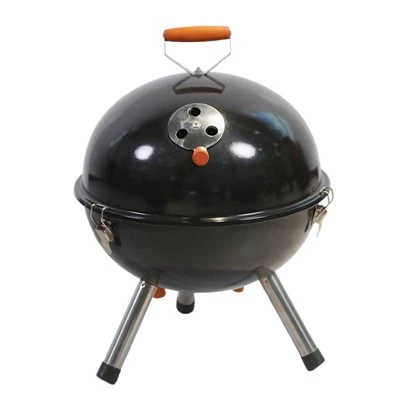
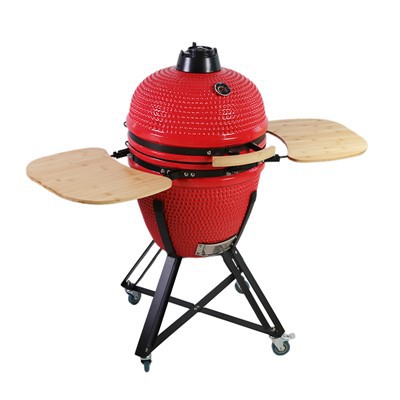
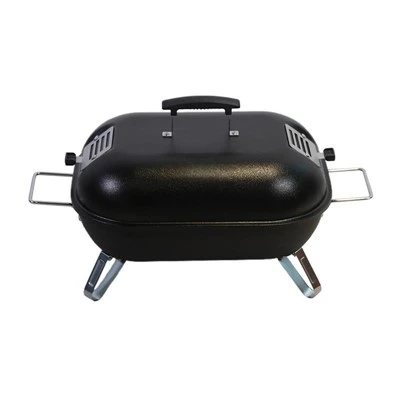
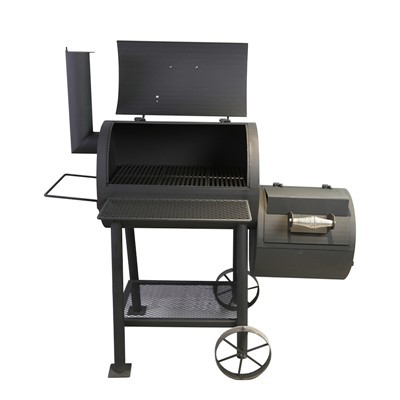
Charcoal Gas Patio Outdoor Heater
A Charcoal Gas Patio Outdoor Heater requires particular attention to its actual fuel configuration because charcoal and gas are different fuel systems. The product specification should clarify whether the unit is a charcoal-burning heater, a gas-fired patio heater with a charcoal-style appearance, or a specifically engineered combination system.
Depending on the verified design, buyers may evaluate the combustion chamber, fuel access, heat distribution, ash handling where applicable, ignition system, and exterior finish.
This product name should not be used to imply that a unit burns both charcoal and gas unless its construction and operating instructions explicitly support that function. Any proposed combination-fuel configuration requires appropriate engineering review and safety validation.
For Blue Carp's OEM/ODM discussions, buyers can provide reference products, target specifications, and intended applications so that the required structure and manufacturing scope can be evaluated.


Bulk Production and Customization Services from Blue Carp
For B2B buyers, sourcing an outdoor heater involves more than selecting an existing model. Product differentiation, manufacturing consistency, packaging, and market requirements can all influence the final purchasing decision.
Blue Carp supports OEM/ODM cooperation and bulk-production projects for outdoor living products. Depending on the selected product and confirmed manufacturing scope, customization discussions can cover several areas.
Product appearance: Exterior styling, color, finish, and branding placement.
Structural configuration: Housing design, dimensions, support components, and selected assembly details where technically feasible.
Product specifications: Coordination of required output, fuel configuration, control functions, and other design parameters.
Private labeling: Logo placement and brand presentation on approved products and packaging.
Packaging: Carton design, product protection, labeling, and shipping requirements.
Quality documentation: Agreed inspection criteria, applicable test documentation, and market-specific compliance requirements.
A practical OEM/ODM workflow begins with a product brief, followed by specification review, design feasibility assessment, sample or prototype evaluation where applicable, and approval before mass production.
Production requirements should be confirmed before an order is placed. This includes the bill of materials, approved sample, inspection criteria, packaging artwork, applicable certifications, delivery schedule, and agreed order quantity.
For bulk buyers, establishing these requirements early helps reduce specification changes during manufacturing and improves coordination between product development, quality control, and shipment preparation.
Why Choose Blue Carp as Your Outdoor Heater Manufacturing Partner?
Blue Carp works with B2B customers seeking outdoor living products for retail, distribution, and private-label programs.
Our manufacturing cooperation focuses on turning buyer requirements into an agreed product specification rather than treating every order as a standard catalog purchase.
For suitable projects, the process can include reviewing reference samples, assessing customization feasibility, confirming materials and finishes, coordinating product branding, and establishing quality inspection requirements before mass production.
Buyers preparing an outdoor heater sourcing project should share their target market, preferred product type, fuel configuration, estimated order quantity, branding requirements, and necessary compliance documents.
These details allow both parties to evaluate whether the requested configuration is technically feasible and commercially appropriate. Any production capacity, minimum order quantity, lead time, or certification commitment should be confirmed for the specific product and order.
If you are developing a private-label outdoor heater range or sourcing products for distribution, Blue Carp can work with you to review your requirements and discuss the next steps.
FAQ
What size outdoor heater do I need?
Start with the actual seating area, then consider wind exposure, enclosure, heater type, installation height, and manufacturer-rated coverage. A simple BTU-per-square-foot estimate is only a preliminary guide.
Is an infrared patio heater suitable for outdoor use?
Many infrared heaters are designed for outdoor or covered-outdoor installations. Check the model's environmental rating, installation instructions, and required clearances before use.
What is the difference between a pellet heater and a propane heater?
A pellet heater burns solid wood pellets and requires fuel replenishment and ash management. A propane heater burns propane gas and requires a compatible cylinder or approved gas supply.
Can Blue Carp support custom outdoor heater orders?
Blue Carp supports OEM/ODM cooperation and bulk-production projects. Available customization, minimum order quantity, production schedule, and technical feasibility depend on the specific product and confirmed project requirements.
What information should buyers prepare before requesting a quotation?
Prepare the target product type, intended application, target market, preferred fuel source, technical requirements, estimated quantity, branding needs, packaging specifications, and required compliance documentation.
Start Your Outdoor Heater Sourcing Project with Blue Carp
The right outdoor heater depends on the relationship between heating requirements, fuel supply, installation conditions, safety provisions, and customer preferences.
For B2B buyers, these technical considerations should be aligned with product positioning and manufacturing requirements from the beginning.
Contact Blue Carp to discuss your outdoor heater product requirements, OEM/ODM customization options, and bulk-production needs. Share your target specifications and purchasing plans so we can evaluate the appropriate next steps for your project.