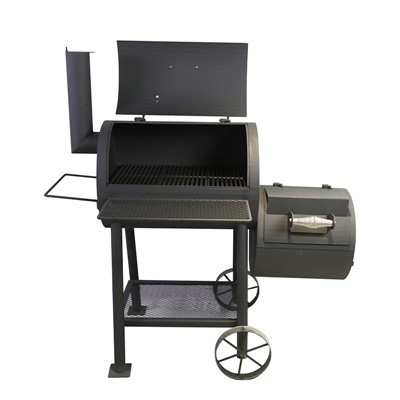
Outdoor charcoal grills are regularly exposed to rain, humidity, condensation, ash, grease, and repeated heating and cooling. These conditions can accelerate oxidation on cooking grates, charcoal trays, frames, joints, and other exposed metal components.
For an outdoor Charcoal BBQ Grill, rust prevention should be addressed before corrosion appears. Material selection, protective surface treatment, moisture management, structural design, cleaning, and storage all influence how much moisture and residue remain on the grill.
Why Outdoor Charcoal BBQ Grills Are Prone to Rust
Several conditions can increase the risk of corrosion during outdoor use:
- Moisture exposure: Rain, dew, condensation, and residual cleaning water can remain around the grill bottom, joints, charcoal tray, and recessed sections. Longer moisture contact increases the opportunity for oxidation.
- Ash and grease accumulation: Charcoal ash can absorb moisture and hold it against metal surfaces. Grease and food residue can also accumulate in areas that are difficult to reach, creating additional cleaning and moisture-retention problems.
- Heat cycles and surface damage: Repeated heating and cooling can gradually affect protective surface treatments. Scratches, impact marks, or damaged coatings may expose the underlying metal to outdoor moisture.
Rust prevention therefore needs more than a protective coating. The grill should be designed so that moisture and residue can be removed easily, while exposed metal receives protection appropriate to its material and operating conditions.
Material Selection for Rust Prevention
Material selection determines the starting level of corrosion resistance, but the appropriate choice depends on the grill structure, exposure conditions, and required surface treatment.
| Material | Typical Use | Rust-Prevention Considerations |
|---|---|---|
| Carbon Steel | Grill body, frame, shelves | Requires suitable exterior coating; protect cut edges and welded areas; repair scratches and exposed metal promptly |
| Stainless Steel 304 | Cooking grates, charcoal trays, hardware | Good corrosion resistance; keep surfaces clean and dry, especially around ash, grease, and salt-containing residues |
| Stainless Steel 430 | Grill bodies, panels, selected components | Suitable for some outdoor components; avoid prolonged moisture and salt exposure, which can increase surface corrosion risk |
| Cast Iron | Cooking grates, charcoal trays | Requires seasoning with cooking oil and thorough drying; remove moisture promptly to limit surface rust |
| Powder-Coated Steel | Grill body, lids, frames, shelves | Protection depends on surface preparation, coating coverage, and adhesion; prevent scratches and repair damaged coating areas |
Carbon steel can be used for grill structures and cooking components, but exposed areas require appropriate protection. Stainless steel provides corrosion resistance through its material composition, although actual performance still depends on the grade and operating environment.
For coated metal components, the coating system is only one part of the protection process. Poor surface preparation, incomplete coverage, or coating damage can create exposed areas where corrosion begins.
Surface Treatment and Protective Coatings
Different grill components require different protection methods because not all metal surfaces have the same function.
- Exterior metal surfaces: Use coating systems intended for outdoor and high-temperature applications where appropriate. Before coating, remove loose rust, grease, dust, and other contaminants. The surface should be dry, and the coating should be applied according to its specified temperature range and application conditions.
- Cooking grates: Do not use ordinary anti-rust paint or general-purpose industrial coatings on food-contact surfaces. Suitable grates should instead be cleaned, dried, and maintained with a thin layer of appropriate high-smoke-point cooking oil. Heating the oiled grate helps form a protective seasoning layer.
The distinction between food-contact and non-food-contact areas is important. A coating suitable for an exterior panel should not automatically be treated as suitable for a cooking surface.
Design Features That Reduce Moisture and Rust Risk
Rust prevention can be built into the grill through material selection, edge protection, drainage, and ventilation. Key structural measures include:
- Component-Based Material Selection: Use 304 stainless steel or cast iron for charcoal trays and ash pans exposed to heat and moisture. Weathering steel can also be considered for selected outdoor designs where a stable protective oxide layer is desired.
- Protected Edges: Rolled or wrapped sheet-metal edges cover exposed cut sections, reducing direct contact between the substrate and moisture.
- Water Diversion and Drainage: Sloped lids, water-diversion edges, drainage openings, and raised charcoal trays help prevent standing water inside the grill.
- Elevated and Open Structures: Raised feet separate the frame from ground moisture, while sloped shelves and open-grid storage racks reduce water and residue accumulation.
- Protected Joints and Hardware: Finished welded joints, corrosion-resistant hardware, and sealing washers can reduce moisture retention around connections and moving parts.
- Ventilation and Air Gaps: Adjustable vents, clearance around the charcoal tray, and internal air gaps help release residual heat and moisture after cooking, reducing prolonged damp conditions inside the grill.
For custom Charcoal BBQ Grill projects, Huzhou Blue Carp Co., Ltd. can incorporate these structural considerations into material selection, metal fabrication, welding, surface treatment, and component assembly according to the required product configuration.
Rust Removal for Prevention and Existing Corrosion
Preventive Rust Removal
Small rust spots, surface discoloration, and early oxidation should be addressed before they spread. Remove ash, grease, and other residue first, then clean the affected area with a suitable brush or abrasive tool. After cleaning, dry the metal completely and restore the appropriate protective treatment.For cooking grates, a thin layer of suitable high-smoke-point cooking oil can help maintain the seasoned surface. Exterior metal components can be checked for damaged coating and repaired with a suitable high-temperature protective coating where required.
Removal of Existing Rust
When rust has already formed, the treatment should depend on the condition of the affected metal:
- Light Surface Rust: Remove loose rust with aluminum foil or a suitable brush. For removable grates with stubborn rust, white vinegar soaking can help loosen the corrosion. Rinse thoroughly and dry completely after treatment.
- Cooking Surface Restoration: After rust removal, apply a thin layer of vegetable oil or another suitable high-smoke-point cooking oil to the clean, dry grate, then heat it to rebuild the protective seasoning layer. Ordinary anti-rust paint should not be applied to food-contact surfaces.
- Severe Corrosion: Peeling metal, deep pits, holes, significant thinning, or weakened structural sections indicate that corrosion has affected the underlying metal. Rust removal cannot restore lost material, so severely damaged grates, charcoal trays, or structural components may require replacement.
Daily Maintenance to Prevent Rust
Daily maintenance should focus on controlling ash, grease, water, and residue rather than waiting for visible rust to appear.
A practical maintenance routine includes:
- Remove cooled ash after cooking: Ash should not be left inside the grill for extended periods because it can retain moisture.
- Clean food residue and grease: Pay particular attention to cooking grates, charcoal trays, and areas where residue can accumulate.
- Dry exposed metal surfaces: After cleaning with water, allow grates, trays, and other exposed components to dry completely before storage.
- Protect the cooking grate: After cleaning and drying, apply a suitable thin layer of high-smoke-point cooking oil when seasoning is appropriate for the grate.
These steps address the main conditions that allow corrosion to develop while also making early surface damage easier to identify.
Rust Prevention and Maintenance Checklist
A regular inspection can be organized around the areas most exposed to ash, moisture, heat, and residue.
| Area | Prevention and Maintenance Action |
|---|---|
| Cooking Grate | Remove food residue, clean early rust, dry completely, and apply suitable food-safe oil |
| Charcoal Tray | Empty ash regularly and check for moisture retention or corrosion |
| Grill Interior | Remove grease, ash, and residue from areas where moisture may collect |
| Exterior Body | Inspect coating damage, scratches, exposed metal, and surface rust |
| Welding Points | Check for corrosion around joints and structural connections |
| Drainage Areas | Clear residue and confirm that water can escape |
| Ventilation Openings | Remove ash and debris that may restrict airflow or retain moisture |
| Grill Bottom | Check for standing water, deep rust, and metal thinning |
| Storage Condition | Keep the grill dry and protected from prolonged outdoor moisture |
The purpose of the checklist is preventive inspection rather than simply identifying existing rust. Regular cleaning and inspection make it possible to address damaged coatings, blocked drainage, accumulated ash, and small corrosion spots before they become more difficult to manage.
Blue Carp's Manufacturing Approach for Charcoal BBQ Grill Production
Huzhou Blue Carp Co., Ltd. focuses on outdoor cooking and living equipment manufacturing, including charcoal, gas, electric, pellet, and ceramic grills, pizza ovens, griddles, fire pits, and outdoor heating products. Its capabilities cover product development, metal fabrication, cutting and forming, welding, surface treatment, component processing, assembly, and quality control. For an outdoor Charcoal BBQ Grill, these processes influence material protection, welded connections, component installation, surface condition, and overall structure.
For OEM/ODM projects, requirements can be defined around material, dimensions, structure, grate design, ventilation, surface treatment, packaging, quantity, and destination requirements. This allows rust-prevention considerations to be incorporated into the product specification, while suitable materials, surface treatments, drainage, accessible cleaning areas, and maintainable structures support corrosion control during outdoor use.