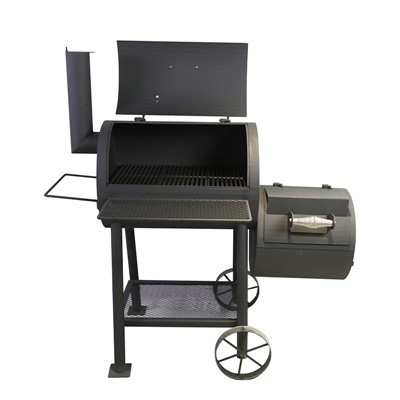
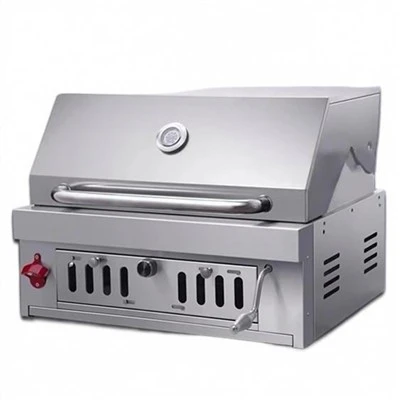
Developing a custom Charcoal BBQ Grill involves more than changing a logo, color, or packaging design. For importers, distributors, wholesalers, and private-label brands, customization can involve the grill dimensions, cooking configuration, charcoal capacity, ventilation system, cooking grate, lid structure, handles, wheels, surface finish, and packaging. These elements need to work together as a manufacturable product rather than being treated as independent appearance options.
A manufacturer therefore needs to review the project from product requirements through structural development, prototype evaluation, sample approval, and mass production. The objective is to convert the buyer's market requirements into defined product specifications that can be checked during manufacturing and inspection.
What Can Be Customized on a Charcoal BBQ Grill?
Customization can cover the product's dimensions, structure, cooking components, ventilation, materials, surface treatment, branding, and packaging. These elements should be defined as a connected product specification because changes to one area may affect component positions, assembly, airflow, or packaging.
The main customization areas include:
| Customization Area | Customizable Items |
|---|---|
| Grill Dimensions | Overall dimensions, cooking area, cooking configuration, and charcoal capacity |
| Grill Structure | Grill body, cooking chamber, support structure, doors, handles, and mobility components |
| Cooking Components | Cooking grate dimensions, grate position, charcoal tray structure, and charcoal-support configuration |
| Lid and Ventilation | Lid structure, ventilation openings, and related airflow components |
| Materials and Finish | Main materials, cooking-component materials, surface finish, and product color |
| Branding and Packaging | Logo position, product labels, retail packaging, carton design, accessories, and pallet requirements |
Key Structural and Material Considerations for Custom Grill Development
Structure & Airflow - Ventilation, lid configuration, cooking components, handles, and mobility parts should be developed in relation to the grill body and cooking chamber. The basic airflow path is Air Inlet → Charcoal Bed → Cooking Chamber → Exhaust. Charcoal tray and cooking grate positions should correspond with the chamber and ventilation openings, while lid movement, alignment, handles, doors, and wheels should be considered during structural development and assembly planning.
Materials & Surface Treatment - Material selection should match the component and product requirements. Carbon steel and stainless steel can be selected according to the product configuration and target market, with the specification defining where each material is used. Surface treatment, finish, and color can then be specified according to the product design and confirmed during sample approval and production inspection.
From Product Requirements to Prototype
A custom project should begin with a defined requirement set rather than immediately moving into production. Relevant information can include the target market, selling channel, grill dimensions, cooking area, charcoal capacity, cooking configuration, lid structure, ventilation system, cooking grate, handles, wheels, surface finish, packaging, and target order quantity.
The development sequence can then be organized as:
Requirement → Product Structure → Material Selection → Prototype → Testing → Sample Approval
During structural development, the manufacturer can review material usage, welding positions, assembly sequence, airflow, charcoal tray structure, cooking grate position, lid movement, component tolerances, packaging dimensions, and manufacturing cost. Prototype evaluation can then check dimensions, structural stability, lid alignment, cooking grate installation, charcoal tray position, air vents, handles, wheels, assembly accuracy, and other specified functions.
For buyers working with Huzhou Blue Carp Co., Ltd., these stages connect product development with metal fabrication, welding, surface treatment, assembly, and quality control, allowing customization beyond visual changes.
Material Fabrication, Welding, and Assembly
Once the product structure and sample requirements are established, manufacturing can move through a defined sequence. For Charcoal Grill production, the process can include:
Material Preparation → Cutting and Forming → Welding → Surface Treatment → Component Processing → Assembly
Cutting and forming establish the main metal components according to the approved product structure. Welding connects the relevant structural parts, while component processing prepares items such as handles, wheels, cooking components, or other specified parts.
Surface treatment follows the required product specification. During assembly, the main body, cooking components, ventilation components, handles, wheels, doors, and other specified parts are brought together into the finished configuration. The sequence matters because component positions and assembly accuracy need to correspond with the approved sample.
Sample Approval and Mass Production
Before Mass Production
The approved sample provides the physical reference for subsequent production. Sample approval can confirm dimensions, material specifications, surface finish, color, logo position, component configuration, packaging, and accessories before the order enters full production.
For customized products, this stage is particularly important because a change in one component can affect other parts of the structure. A change to the cooking grate, for example, may require corresponding consideration of its position relative to the charcoal tray and cooking chamber.
During Mass Production
After sample approval, production proceeds through the established manufacturing stages. Raw-material preparation, metal fabrication, cutting and forming, welding, surface treatment, component processing, assembly, inspection, and packaging each provide points where the approved product configuration can be checked.
Packaging is also part of the production requirement. Carton dimensions, internal protection, product positioning, accessories, labels, retail packaging, and pallet requirements should correspond with the approved packaging specification. For larger products, packaging dimensions can also affect CBM and container loading.
Key Procurement Considerations Before Customization
Before asking a manufacturer for a customized quotation, buyers should prepare the information needed to define the product.
-
Target market: Identify the destination market and relevant product requirements.
- Selling channel: Clarify whether the product will be sold through distribution, retail, project supply, wholesale, or private label.
- Product dimensions: Define the overall size and required cooking area.
- Cooking configuration: Specify the expected cooking arrangement, grate configuration, and charcoal capacity.
- Structural requirements: Identify lid structure, doors, support structure, wheels, handles, and other required components.
- Ventilation: Define the required ventilation arrangement and airflow-related components.
- Materials and finish: Specify the main material, cooking-component material, surface finish, and color.
- Branding: Provide logo requirements, label position, and other branding specifications.
- Packaging: Define carton requirements, internal protection, accessories, retail packaging, and pallet requirements where applicable.
- Order quantity: Provide the expected quantity so the manufacturer can consider production and packaging requirements during project evaluation.
A clear requirement sheet reduces the need to reinterpret specifications later in the development process. It also gives the manufacturer a defined basis for structural development, prototype preparation, quotation, sample approval, and production planning.
Quality Control for Customized Grill Production
Quality control for a customized grill needs to verify both individual components and the assembled product. Inspection should follow the approved specifications rather than relying only on general visual inspection.
The main checkpoints can include dimensions, welding quality, lid alignment, cooking grate dimensions and installation, charcoal tray installation, air vent operation, wheel and handle assembly, surface finish, overall assembly, and packaging condition.
| QC Item | What to Check |
|---|---|
| Dimensions | Overall product dimensions and specified component dimensions |
| Welding | Specified weld positions and visible welding condition |
| Lid | Lid alignment, movement, and installation |
| Cooking components | Cooking grate dimensions, installation, and charcoal tray position |
| Ventilation | Air vent installation and operation |
| Mobility components | Wheel and handle installation |
| Surface | Surface finish, color, and specified appearance |
| Assembly | Overall assembly condition and component fit |
| Packaging | Product positioning, internal protection, accessories, labels, and packaging condition |
The inspection scope should follow the approved product specification. This is particularly important for private-label projects because the buyer may have defined specific dimensions, materials, colors, branding positions, accessories, or packaging requirements that are not part of a standard model.
OEM and ODM for Custom Grill Projects
OEM: Customer-Specified Product
OEM projects are based primarily on buyer-defined specifications. Key requirements may include:
- Product dimensions: Overall size, cooking area, and configuration.
- Materials: Main body, cooking components, and specified finishes.
- Structure: Grill body, cooking chamber, lid, ventilation, handles, doors, and mobility components.
- Branding: Logo position, product labels, and other specified branding elements.
- Packaging: Carton design, retail packaging, accessories, and pallet requirements.
- Production requirements: Order quantity and agreed inspection criteria.
The manufacturer produces the grill according to the confirmed specification, so the buyer should ensure that the requirements are sufficiently clear for both manufacturing and inspection.
ODM: Manufacturer-Assisted Product Development
ODM involves greater manufacturer participation in converting a product concept or market requirement into a manufacturable configuration. The development scope may include:
- Product structure: Translating the concept into a defined grill configuration.
- Material selection: Matching materials with the product structure and requirements.
- Prototype development: Preparing and evaluating a product sample.
- Testing and adjustment: Checking the prototype against the specified requirements.
- Sample approval: Confirming the final configuration before production.
- Mass production: Moving the approved product into the established manufacturing process.
The specific responsibilities of the buyer and manufacturer should be agreed before development begins, particularly for product specifications, prototype approval, changes, and production requirements.
About Huzhou Blue Carp Co., Ltd.
Huzhou Blue Carp Co., Ltd. manufactures outdoor cooking and outdoor living equipment. Its product range includes Charcoal BBQ Grills, Gas Grills, Electric Grills, Pellet Grills, Ceramic Grills, Pizza Ovens, Griddles, Fire Pits, and Outdoor Heating Products. The company serves projects involving product development, manufacturing, bulk production, and OEM/ODM requirements.
Its manufacturing capabilities cover product development, metal fabrication, cutting and forming, welding, surface treatment, component processing, assembly, and quality control. For customized Charcoal Grill projects, relevant inspection can cover dimensions, welds, lid alignment, cooking grate and charcoal tray installation, vent operation, wheels, handles, surface finish, assembly, and packaging. OEM/ODM requirements can be incorporated into product dimensions, structure, materials, cooking components, ventilation, surface treatment, branding, and packaging according to the project specification.