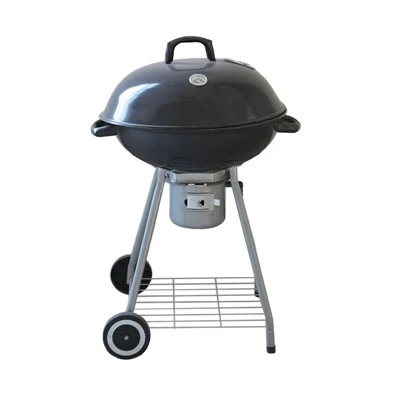
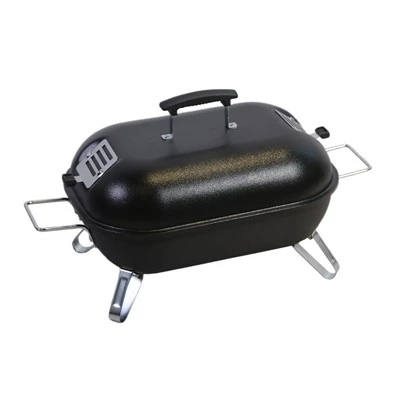
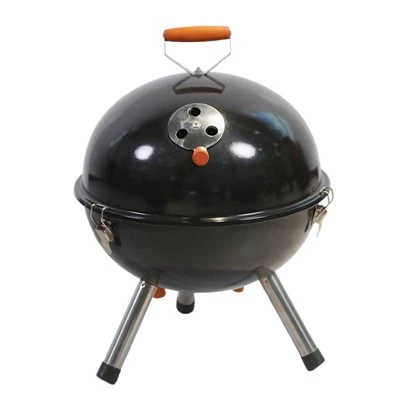
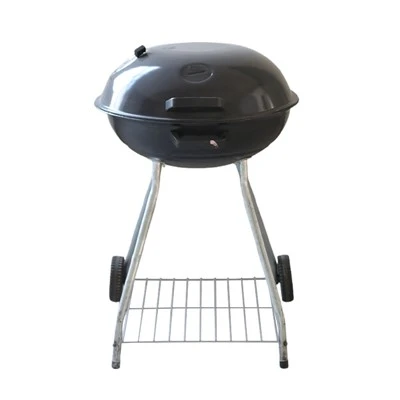
Quality control in outdoor cooking equipment is not a single inspection performed at the end of production. Product quality is influenced by decisions made during design, material selection, fabrication, assembly, testing, packaging, and shipment. A complete manufacturing process therefore needs checkpoints at different stages, with each stage addressing a different type of production risk.
For a charcoal BBQ grill, these risks can involve dimensional accuracy, structural connections, cooking components, ventilation, surface treatment, assembly, and final product configuration. For customized orders, quality control also needs to ensure that customer-approved specifications are maintained when the product moves from development into mass production.
Quality Starts With Product Design
The first quality-control consideration is the product specification itself. Dimensions, cooking surface configuration, grill structure, charcoal positioning, ventilation, supporting components, mobility, surface treatment, accessories, and packaging all need to be defined before manufacturing requirements can be established.
Design decisions also affect how the product will be fabricated and assembled. For example, the relationship between the lid and grill body influences alignment, while the cooking grate and charcoal tray need to correspond with their supporting structures. Ventilation components likewise need to be considered as part of the overall cooking configuration rather than as isolated parts.
Blue Carp incorporates these considerations into product development, covering grill structure, cooking surface configuration, heat distribution, airflow and ventilation, temperature control, dimensions, component configuration, storage and mobility, and packaging optimization. This places quality-related considerations at the beginning of the manufacturing process rather than treating them solely as a final inspection task.
Material and Component Inspection
Once the product requirements are established, incoming materials and components become the next control point. Materials such as carbon steel and stainless steel, together with cooking grates, charcoal trays, hardware, handles, wheels, and other components, need to correspond with the approved specification.
Inspection can cover material grades, dimensions, surface condition, and other defined requirements. Controlling these inputs helps prevent an incorrect material or component from entering fabrication and creating additional problems during assembly.
Fabrication and Dimensional Control
Metal fabrication converts the approved design into physical components. Cutting, stamping, bending, and related operations determine the dimensions and interfaces that will later affect assembly.
Dimensional control is particularly relevant to the grill body, lid, cooking grate supports, charcoal tray supports, frame, legs, handles, and wheels. A deviation in one component can influence the fit or alignment of another, so checking fabricated parts before assembly provides an earlier opportunity to identify inconsistencies.
Welding and Structural Inspection
Welding forms many of the structural connections in outdoor cooking equipment. The relevant quality checks therefore concern more than the visual appearance of a weld. Welded joints, frame connections, brackets, and supporting structures need to correspond with the intended product geometry.
Inspection can focus on weld penetration, alignment, connection condition, and structural stability. Incorrect positioning or distortion can later affect lid alignment, component installation, or the stability of the assembled product.
Surface Treatment and Assembly
After fabrication and welding, surface treatment becomes another quality checkpoint. Depending on the product specification, this may involve powder coating, porcelain enamel, polishing, or another specified finish. Inspection can address coating coverage, adhesion, scratches, visible defects, and corrosion-protection requirements.
Assembly then brings the individual components together. Cooking grates, charcoal trays, lids, handles, wheels, ventilation components, hardware, and supporting structures need to be installed according to the approved configuration. Assembly inspection can reveal problems that are difficult to identify when components are inspected individually.
Ventilation and Cooking Performance
Airflow is an important design consideration for a charcoal BBQ grill because combustion and cooking conditions depend on the relationship between the fire, ventilation components, cooking grate, and grill body. Quality control therefore needs to verify that these elements correspond with the intended configuration.
Performance testing can cover heat distribution, heat retention, structural stability, lid and hinge cycling, load capacity, and cooking performance, depending on the product requirements. Ventilation and temperature-control functions can also be evaluated where they form part of the specific design.
Maintaining Consistency During Mass Production
A quality-control system needs to maintain the approved product specification as production moves from individual components to complete units. This is particularly important for OEM and ODM projects, where the buyer may request changes to dimensions, materials, structure, functionality, accessories, branding, or packaging.
The approved sample and product requirements provide the reference for mass production. Process inspections then help verify that fabricated parts, welded assemblies, surface treatment, and finished products continue to correspond with that reference.
Blue Carp supports OEM/ODM projects from product concept and design development through prototyping, modification, mass production, quality inspection, and packaging. This connects product development with subsequent manufacturing rather than treating the sample and mass-production stages as separate processes.
Final Quality Inspection Before Shipment
Quality consistency control continues until the order is ready to leave the factory. Before shipment, every order undergoes a final quality inspection to verify that the finished products meet the agreed product requirements.
The final inspection covers:
- Appearance inspection for visible defects, surface condition, and overall finish.
- Functional testing according to the relevant product configuration.
- Component and assembly verification to confirm that required parts are correctly installed.
- Quantity confirmation against the order requirements.
- Carton condition assessment to identify visible packaging damage or other issues that could affect shipment.
- Loading supervision to verify product placement and loading conditions.
Packaging as Part of Product Quality
Packaging is part of the finished-order specification, particularly for distributors, retailers, and private-label brands. It needs to match the product configuration while providing appropriate protection for the grill, accessories, and other components during handling and transportation.
For customized orders, packaging requirements may include carton dimensions, internal protection, accessory placement, labels, and retail presentation. Changes to the packaging structure can also affect product positioning, carton size, pallet arrangement, and container loading, so these details should be confirmed as part of the product specification.
For Blue Carp OEM/ODM projects, packaging requirements can be developed together with the product configuration. Retail boxes, gift boxes, and brand-exclusive packaging can be incorporated according to the buyer's product and branding requirements, while packaging details are confirmed alongside the approved specification before mass production.
What Should Buyers Check When Selecting a Manufacturer?
When evaluating a supplier, buyers should look at how quality is managed across the complete production chain rather than asking only whether final inspection is available. The key question is whether the manufacturer can translate an approved design into repeatable production while maintaining the specified materials, dimensions, structure, components, functions, and packaging.
For OEM and private-label projects, useful questions include:
- When does quality control begin during a new product project?
- How are drawings, samples, and specifications transferred into production?
- How are incoming materials and components inspected?
- How are welding, dimensions, and surface treatment controlled?
- What testing is applied to the specific product configuration?
- How is product consistency checked during mass production?
- Does every order receive final inspection before shipment?
- Are packaging, quantity, carton condition, and loading also verified?
These points give buyers a more practical basis for evaluating manufacturing control and understanding where quality is managed throughout the order.
FAQ
An approved sample provides a physical reference for mass production. It aligns the buyer and manufacturer on the dimensions, structure, components, appearance, surface treatment, and accessories of the charcoal BBQ grill. For Blue Carp OEM and ODM projects, it can also guide production and inspection.
Yes, but changes should be reviewed before mass production. Changes to a charcoal grill's dimensions, materials, structure, components, or packaging may affect tooling, production, testing, cost, or delivery. Revised requirements should be confirmed before production continues.
Buyers should provide dimensions, cooking configuration, materials, structure, accessories, surface treatment, branding, packaging, and target quantity. Drawings, reference samples, or product concepts can further clarify the requirements for a custom BBQ grill.
Private-label quality control covers the charcoal BBQ grill as well as accessories, labels, branded packaging, and consistency with the approved specification. Blue Carp supports private-label projects from product development and sample approval through inspection, packaging, and shipment.
Detailed specifications, drawings, samples, component requirements, packaging details, and confirmed revisions provide a clear production reference. For buyers working with a grill manufacturer, defining these requirements during product development and sample approval can reduce specification differences during mass production.
The deviation should be evaluated against the agreed requirements before shipment. Depending on the issue, corrective action, replacement, rework, or another agreed solution may be required. Clear acceptance criteria help determine whether the finished grill meets the approved specification.